
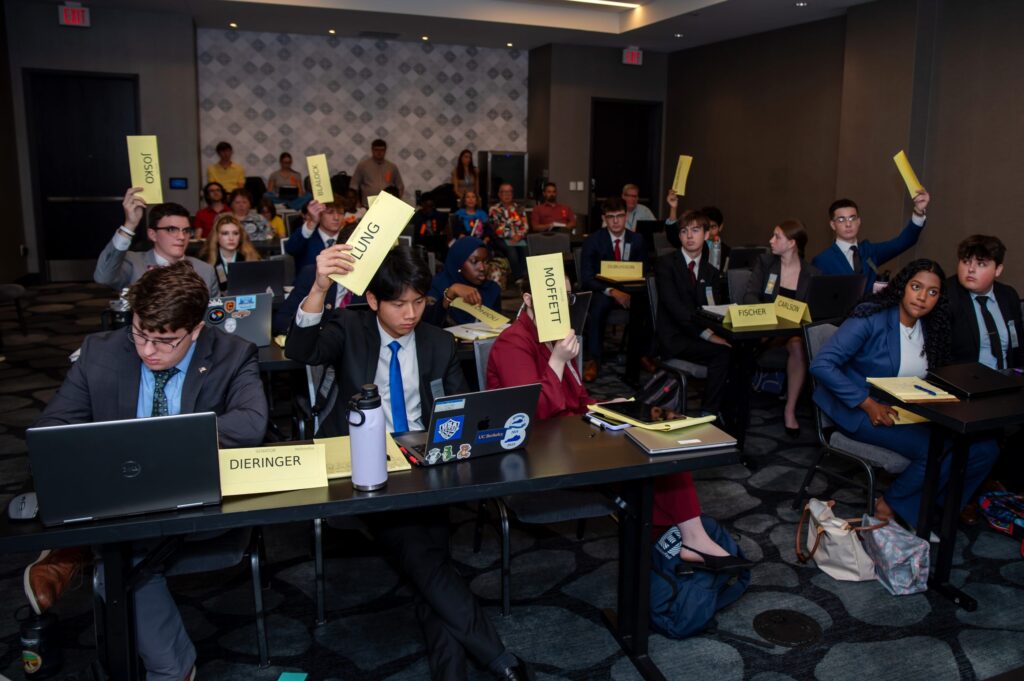
As college admissions grow more competitive, grades and test scores are no longer the primary metric universities use to evaluate applicants. Highly selective institutions, such as Harvard University, Stanford University, and MIT, publicly emphasize a holistic admissions process—one that evaluates a student’s character, initiative, leadership, and long-term impact alongside academic performance.
A transcript will show how well you perform in academic settings, but colleges are focused on building a community. They want students who will contribute to campus culture, lead organizations, collaborate with peers, and pursue meaningful work beyond the classroom.
A holistic application review evaluates a student’s commitment, leadership, care for their community, and personal interests. Staying in an activity for multiple years creates opportunities for leadership roles, skill development, and measurable impact.
Here at College Connected, we emphasize the holistic student profile. High school is an excellent time to pursue a variety of interests, and several options will make you stand out as a competitive applicant. Not sure where to start? Here is a list of five impactful extracurriculars and how to get started:
1. Debate and Public Speaking
Organizations like the National Speech & Debate Association and the National Hispanic Institute provide structured opportunities for students to develop argumentation and communication skills.
Why it matters: Debate demonstrates critical thinking, research skills, and the ability to work under pressure. It signals intellectual curiosity and the capacity to articulate ideas clearly—traits that are applicable to any field of study. It is also an activity with incredible transferability of skills like public speaking, argumentative reasoning, etc.
How to get started: Join your school’s debate or speech club! If none exists, consider starting one yourself. This alone demonstrates initiative and leadership. Begin with local tournaments or classroom competitions. Many state- and city-level competitions have staff/volunteers that are eager to get your school engaged (e.g., HUDL in Houston, or TSA in broader Texas). It is not uncommon for students to start off shy, but consistent practice can help you get over stage fright and hone your public speaking skills, which will be invaluable by the time you reach college.
2. Community Service (Especially Major-Aligned)
Consistent volunteering, particularly when tied to a potential academic interest, can be a powerful addition to an application.
Why it matters: Volunteering shows compassion, civic engagement, and real-world work experience. Community service can take all kinds of forms, so feel free to explore options that align with your future major. A student interested in medicine may want to volunteer at a clinic, whereas a future education major may want to tutor younger students instead. Choosing something relevant to the rest of your application demonstrates alignment between your interests and actions.
How to get started: Focus on volunteering consistently, rather than participating in one big event. For example, volunteering weekly at a local food bank, library, or nonprofit. Keep a simple log of hours and responsibilities to track growth over time. As you get more experience, aim to take on coordination roles and learn new skills.
3. Sports (Even If You Don’t Go Pro)
Athletics—whether varsity, club, or intramural—demonstrate discipline.
Why it matters: Sports communicate resilience, teamwork, and time management. Balancing practices, competitions, and academics requires maturity and dedication. Even without college recruitment, serving as a team captain reflects important leadership skills.
How to get started: Try out for a school team or join a community league. We recommend choosing one or two sports early in your high school career so that you can demonstrate long-term commitment and potentially rise to a leadership position.
4. STEM Competitions & Clubs
Programs like Science Olympiad, FIRST Robotics Competition, and coding contests offer hands-on technical experience.
Why it matters: These organizations demonstrate applied problem-solving, collaboration, and innovation—crucial traits for engineering and science majors.
How to get started: Join your school’s team or form one with a teacher sponsor. Participate in hackathons or online coding platforms. Passion projects, such as building an app or website, show initiative. Depth over time is more impressive than scattered participation. Universities want to see consistency.
5. Summer Programs
Many universities offer summer intensives for high school students. Programs exist for a variety of academic interests—including MIT’s Introduction to Technology, Engineering, and Science (MITES) Program, and Princeton’s Summer Journalism Program.
Why it matters: Summer intensives can give you early exposure to your field of study. Since they often include a residential component, they can also give you a taste of college life. Not all students have the time and resources to apply for summer programs, so having one on your resume can help you stand out from other applicants.
How to get started: Most summer programs are marketed towards rising seniors, so applications should be sent in during your junior year of high school. Spend some time researching different programs to find the one that best aligns with your academic interests and goals.
In conclusion, colleges want students who will contribute, not just perform. A holistic profile tells a story: sustained commitment, upward growth, leadership, and authentic engagement.
The key principles are simple:
- Choose activities that genuinely interest you
- Commit for multiple years
- Seek leadership opportunities
- Align service with academic interests
- Show measurable growth
When done intentionally, extracurriculars can transform from resume fillers to powerful evidence of character, curiosity, and impact. Schedule your free initial consultation with College Connected today here to ensure that your application stands out from all the rest.
